



Infinite Horizons: March 18th “Around the Corner: a New Era of High-resolution X-ray Spectroscopy”
Speaker: Dr. Junjie Mao (Tsinghua University, China)
4pm, Beijing time
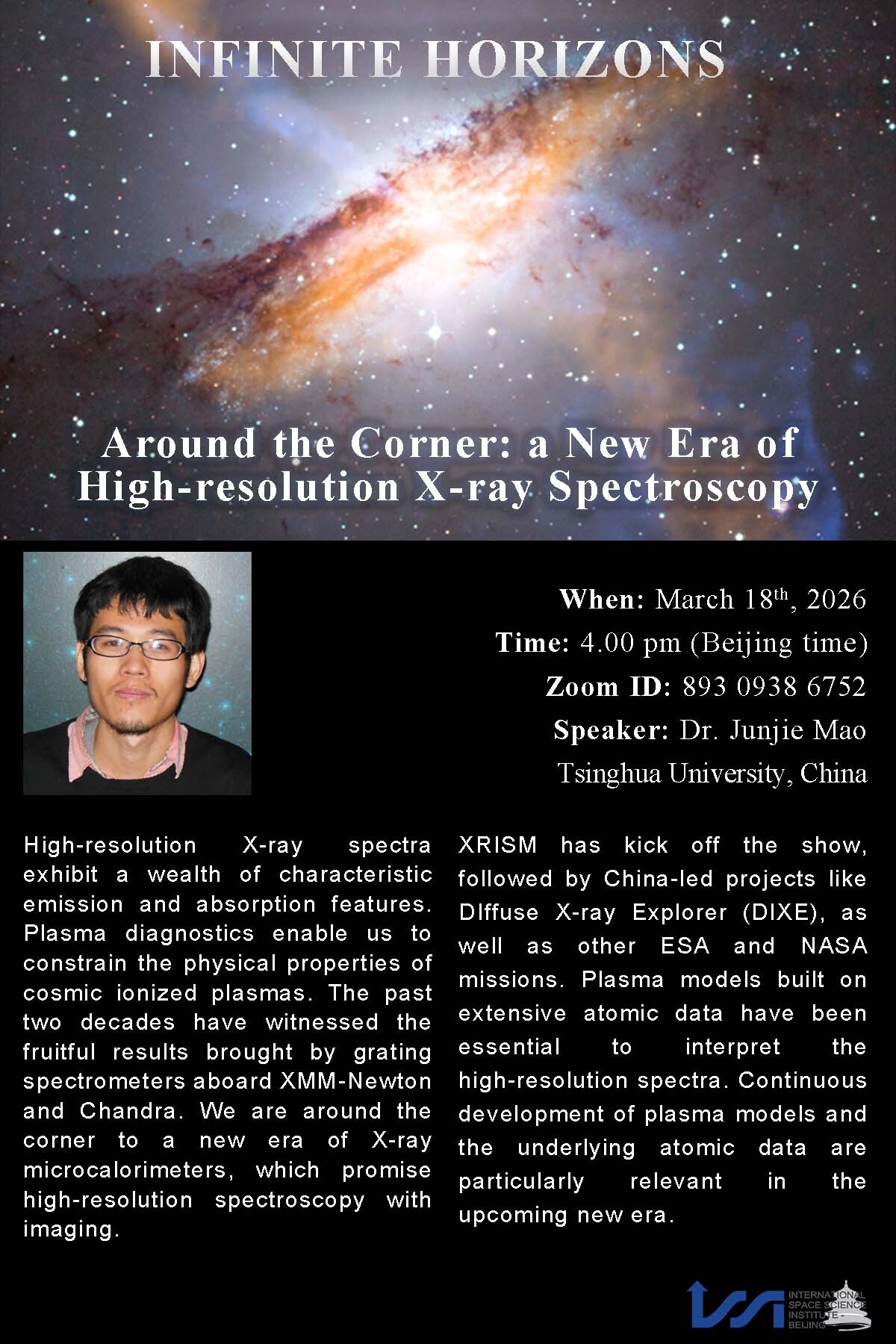
We have the pleasure to host the next Infinite Horizons' seminar on March 18th, 2026. Our host will be Dr. Junjie Mao from Tsinghua University, China, will talk about Around the Corner: a New Era of High-resolution X-ray Spectroscopy.
Seminar's abstract:
High-resolution X-ray spectra exhibit a wealth of characteristic emission and absorption features. Plasma diagnostics enable us to constrain the physical properties of cosmic ionized plasmas. The past two decades have witnessed the fruitful results brought by grating spectrometers aboard XMM-Newton and Chandra. We are around the corner to a new era of X-ray microcalorimeters, which promise high-resolution spectroscopy with imaging. XRISM has kick off the show, followed by China-led projects like DIffuse X-ray Explorer (DIXE), as well as other ESA and NASA missions. Plasma models built on extensive atomic data have been essential to interpret the high-resolution spectra. Continuous development of plasma models and the underlying atomic data are particularly relevant in the upcoming new era.
Zoom ID: 893 0938 6752
(Our Infinite Horizons seminars are usually host on the third Wednesday of the month)
About the speaker:
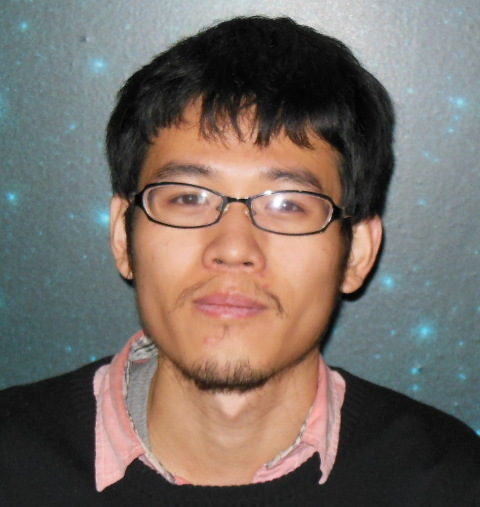
Dr. Junjie Mao is currently an Associate Professor at the Department of Astronomy (DoA), Tsinghua University. He joint DoA in 2022 as an Assistant Professor. Before returning China, he was an Assistant Professor at Hiroshima University in Japan (2021-2022) and a Research Associate at the University of Strathclyde in the UK (2018-2021). He obtained his Ph.D. degree at Leiden University (Leiden Observatory) and SRON (Netherlands Institute for Space Research) in the Netherlands in 2018. His research interest revolves around high-resolution spectroscopy of astrophysical plasmas, including ionized winds driven away from supermassive black holes, elemental abundances of the hot plasmas of individual galaxies and galaxy assemblies, development of plasma models and atomic databases.